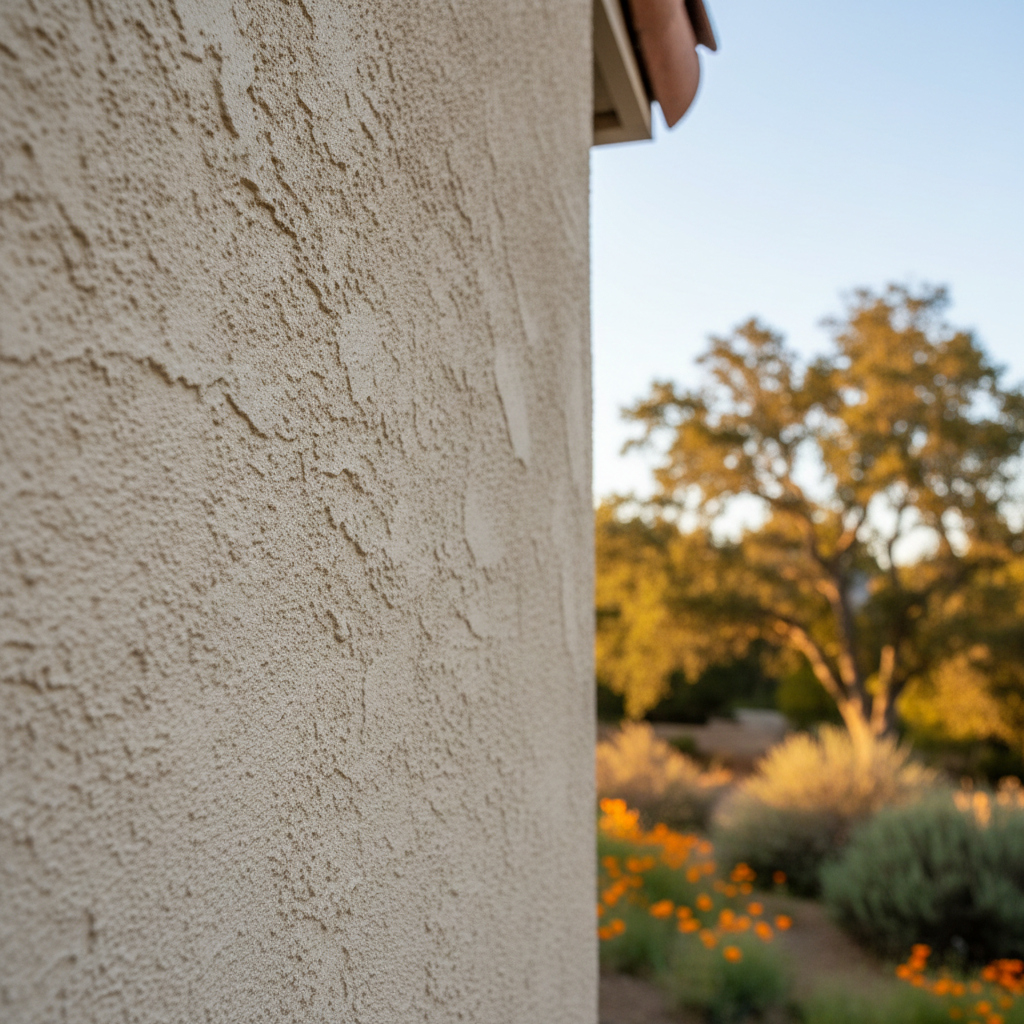
So, you're eyeing your stucco house in Atherton and thinking it's time for a fresh coat of paint. Maybe the color's just faded, or you're simply ready for a change. Painting stucco isn't quite like painting drywall, though; there are some big differences you need to get your head around, especially if you want the job to last and look good. I've seen plenty of stucco work over the years, some great, some not so much, and I can definitely tell you what works and what doesn't.
Before You Even Think About Paint
First off, you can't just slap paint on stucco. That's a recipe for disaster, plain and simple. The most important step, and honestly, the one most homeowners really underestimate, is getting the surface ready. If your stucco has cracks, efflorescence (those white powdery bits), or any kind of mold or mildew, you absolutely have to deal with that first. Painting over problems just hides them for a bit, and they'll come back worse, often taking your new paint job right along with them.
- Inspection: Take a walk around your entire house. Look for tiny hairline cracks, bigger structural ones, areas where the stucco might be coming loose (it'll sound hollow when you tap it), or any water stains. Really pay attention to spots around windows, doors, and the foundation.
- Cleaning: This isn't just a quick rinse. You need to power wash the stucco to get rid of dirt, dust, spiderwebs, and any loose paint. Be careful with that pressure washer, though. Too much pressure can actually damage the stucco itself, especially if it's older or already has issues. Use a mildewcide if you spot any green or black growth. Let it dry completely – and I mean *completely* – for several days after washing, particularly with our cooler, damp mornings here in Atherton sometimes.
- Repairs: This is where a lot of DIYers hit a wall. Small hairline cracks can often be filled with an elastomeric stucco patch or sealant. For bigger cracks, spalling, or areas where it's coming loose, you're getting into serious stucco repair territory. If you're not comfortable mixing stucco patch, matching textures, and making sure the repair is solid, this is definitely a job for a pro. A bad repair will show right through the paint and might even fail, letting water in.
Choosing the Right Paint and Primer
This isn't your interior latex paint, by the way. Stucco needs specific kinds of paint that can breathe, are flexible, and resist alkali. Using the wrong paint can trap moisture, which leads to bubbling, peeling, and even stucco failure down the road. Nobody wants that.
- Primer: Always prime. A good quality acrylic masonry primer is essential. It helps seal the stucco, helps the topcoat stick, and can even boost alkali resistance. Don't skip this step to save a few bucks; it's the foundation for a paint job that lasts.
- Paint Type: Look for 100% acrylic elastomeric paint or high-quality acrylic latex specifically made for masonry or stucco. Elastomeric paints are more flexible, which is great for stucco because they can bridge hairline cracks and move a bit with the house. They're thicker, so they'll cost more, but they offer superior protection and durability. You'll generally need two coats of paint for good coverage and protection.
DIY or Hire a Pro?
Here's the honest breakdown of what you can realistically do yourself versus when you should call someone like me or another experienced stucco contractor.
What You Can Probably DIY:
- Cleaning (carefully): If you're comfortable with a power washer and know how to use it without damaging surfaces, you can probably handle the cleaning.
- Small Crack Filling: Filling minor hairline cracks with a good quality caulk or elastomeric patch is totally doable for most handy homeowners.
- Painting (if the surface is perfect): If your stucco is in excellent condition, perfectly prepped, and you're comfortable with ladder work and spraying or rolling large surfaces evenly, you *could* paint it yourself. You'll need good equipment, patience, and a steady hand.
When to Call a Pro (and it's often worth it):
- Significant Repairs: Any cracks wider than a credit card, spalling, efflorescence that keeps coming back, or areas that sound hollow really need professional attention. Getting these repairs right is crucial for your home's integrity.
- Complex Architecture: If your Atherton home has intricate architectural details, multiple levels, or hard-to-reach areas, a professional painter or stucco contractor has the right equipment (scaffolding, lifts) and experience to do it safely and effectively.
- Time and Expertise: Painting a whole house, especially stucco, is a big project. It takes days, sometimes weeks, of dedicated effort. Pros have the crew, the tools, and the know-how to get it done efficiently and correctly. They'll also know how to apply the paint evenly to avoid lap marks and ensure consistent texture.
- Warranty: Most reputable contractors, including us at Apex Stucco Solutions, will offer a warranty on their work, which gives you a lot of comfort. If something goes wrong, they'll fix it.
Ultimately, painting stucco is more than just changing a color; it's about protecting your home. If you're not 100% confident in your ability to do the prep work and apply the right materials correctly, don't risk it. A bad paint job on stucco can actually cause more problems than it solves, and fixing it later will cost you more time and money than hiring a pro in the first place. Think of it as an investment in your home's longevity and curb appeal.